COMPANY
Taxfix
Role
Lead Designer
Type
MVP Validation
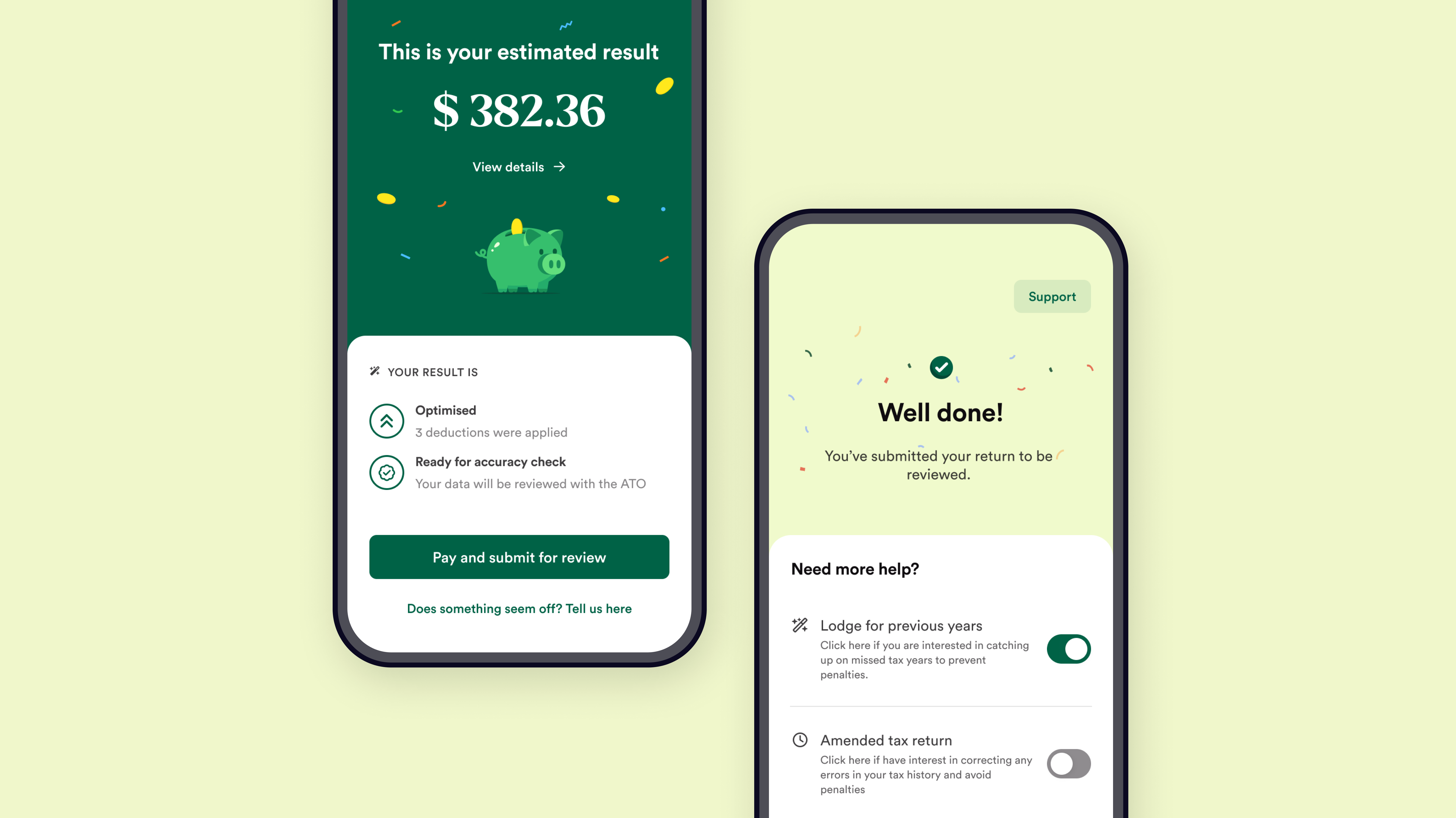
Taxfix simplifies tax filing by developing user-friendly solutions. The Global Expansion team collaborates with diverse stakeholders and cross-functional teams to enhance the international tax-filing experience and drive Taxfix's growth globally. At Taxfix, I was part of the Global Expansion team, whose mission is to introduce Taxfix's tax-filing solutions to new countries, applying different strategies like Live Market Tests and/or testing MVPs. This project targets a 2024 market entry, emphasizing the scalability and willingness to pay for our tax-filing solution.
My Role
As the only Senior Product Designer in the project, I led the design decisions for building the MVP and shaping the product roadmap, while making UI, UX, and content design decisions. My responsibilities also included supporting tests, assisting engineers during the development phase, supporting user research initiatives, and facilitating discussions with stakeholders.
The Challenge
How to navigate a competitive market dominated by two established players, that already provide a somewhat easy-to-use experience, with the belief that there is an untapped space for a mobile solution featuring a modern UX, robust guidance, and a streamlined human questionnaire.
Unlike traditional revenue-centric goals, our focus was on achieving a specific number of payments/submissions aligned with the Company’s Key Result. This approach considers constraints such as limited operational capacity, manual processes, low marketing budget, and resourceful product features while maintaining lean operations.
Our process
As a Senior Product Designer at Taxfix, I'm part of the Global Expansion team, whose mission is to introduce Taxfix's tax-filing solutions to new countries, applying different strategies like Live Market Tests and/or testing MVPs. This project targets a 2024 market entry, emphasizing the scalability and willingness to pay for our tax-filing solution.
Unlike traditional revenue-centric goals, our focus was on achieving a specific number of payments/submissions aligned with the Company’s Key Result. This approach considers constraints such as limited operational capacity, manual processes, low marketing budget, and resourceful product features while maintaining lean operations.
MVP Playbook
Within the challenges that come with exploring different countries and markets, as a team we came up with our processes and ways of working to optimize our achievements while working in multiple markets in different phases at the same time.
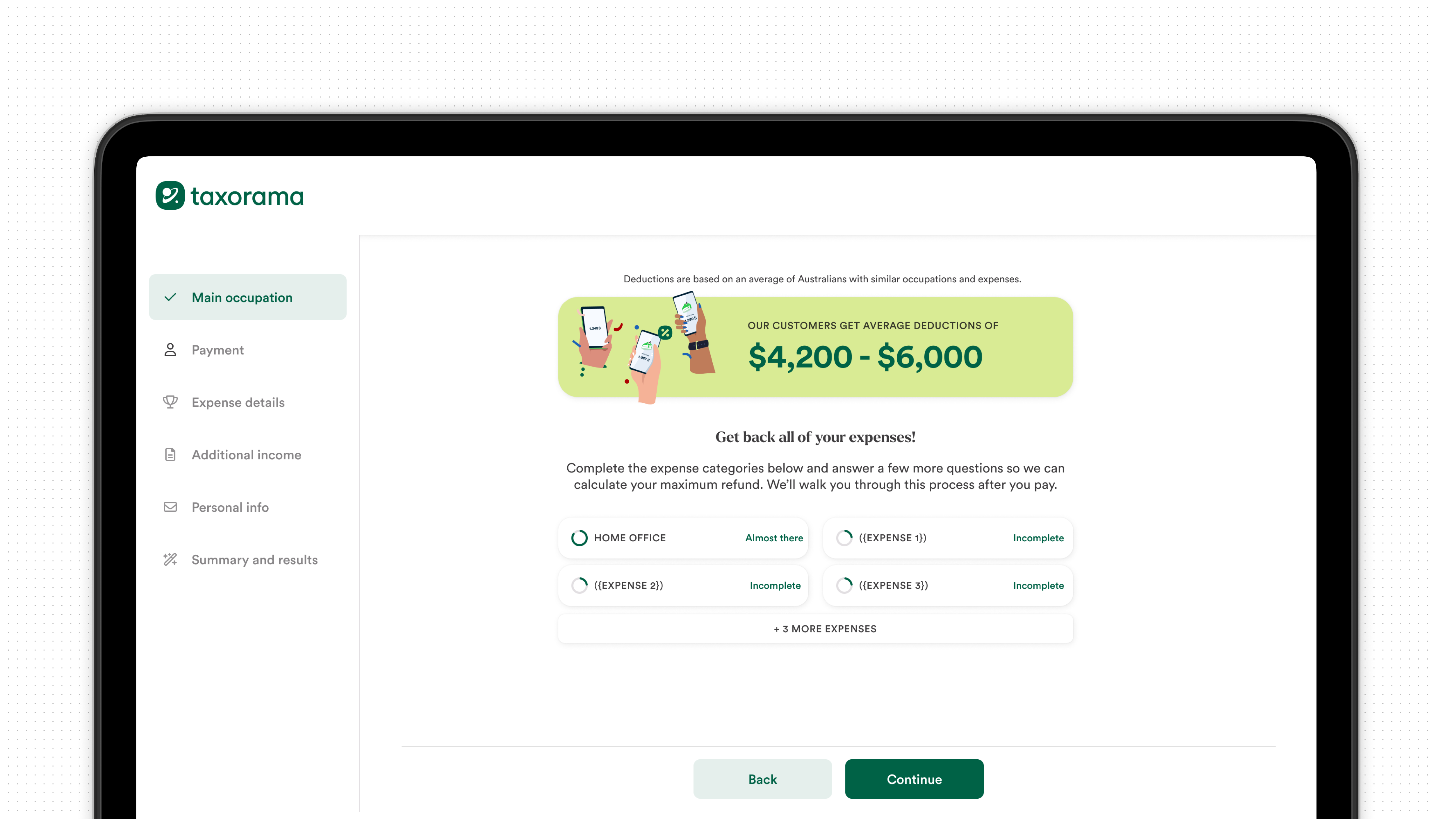
PHASE 6 -> After some not-so-successful MVP testing, the first step was to establish what is an MVP and how much or little we should go to reach our goals. With that, we began by organizing the user problems we aimed to address and understand the resources and operational limitations for building an MVP. The definition of the user flow took into account data from previous discoveries, studies, and other established markets to leverage our core product effectively.
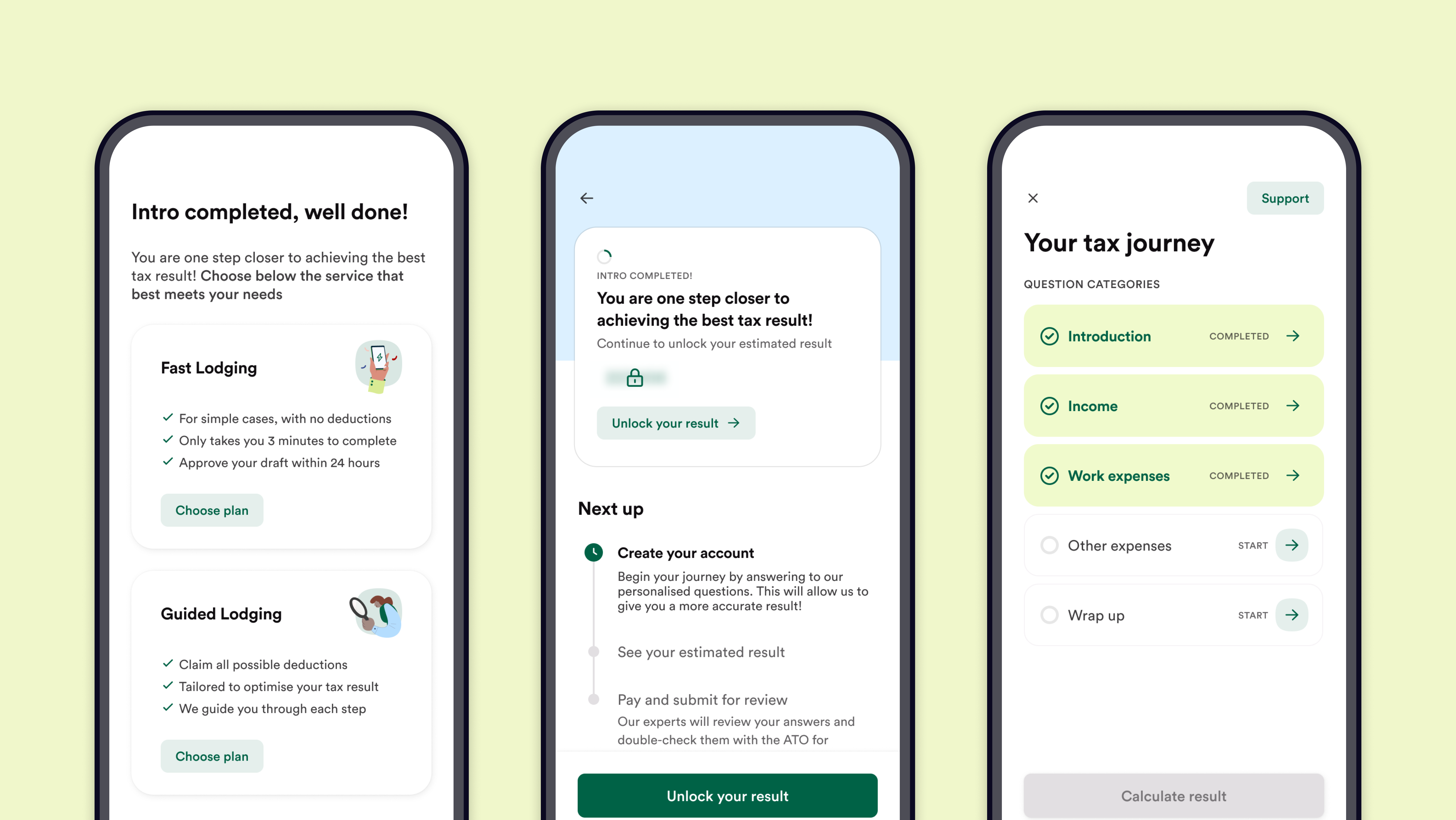
To ensure alignment and address potential issues, we engaged with stakeholders to review the defined user flow. Subsequently, the design roadmap was established based on the group roadmap, with specific dates outlined for feedback collection, refinement meetings, and timely delivery to the development team.
Within the design roadmap, steps were strategically chosen for reuse from previous tests or markets to expedite the process and optimize efficiency. Throughout the design process, consistent alignment with stakeholders occurred, and collaboration with other designers facilitated feedback collection on quality and scalability.
Despite limited resources, AI was employed to generate content, enhancing the effectiveness of our communication with users. After completing the entire solution design, ongoing iterations were conducted on various parts of the journey as more data became available.
The Outcome
The goal was also to create a solution that could be reused in the future, as we expand more and more to other markets, to avoid creating experiences from zero every time.
As the solution went live with a minimum valuable product, we were constantly iterating and observing our users and the data coming in. We iterated the product 71 times in 4 months, making big changes, such as testing pricing perception and new product options, but also we worked on content changes to make sure we nail our approach.
As a result, we outperformed our payment and registration goals by 217% and 192%, respectively, and achieved 100% success in both the install to registration and registration to submission goals. In addition to these outstanding experience-related outcomes, we also see notably low ARPU, CAC, and CPA values.
This advantageous combination positions the new MVP as a promising candidate for future development into a full product.
Project 01
Unified Add Lesson
Project 02
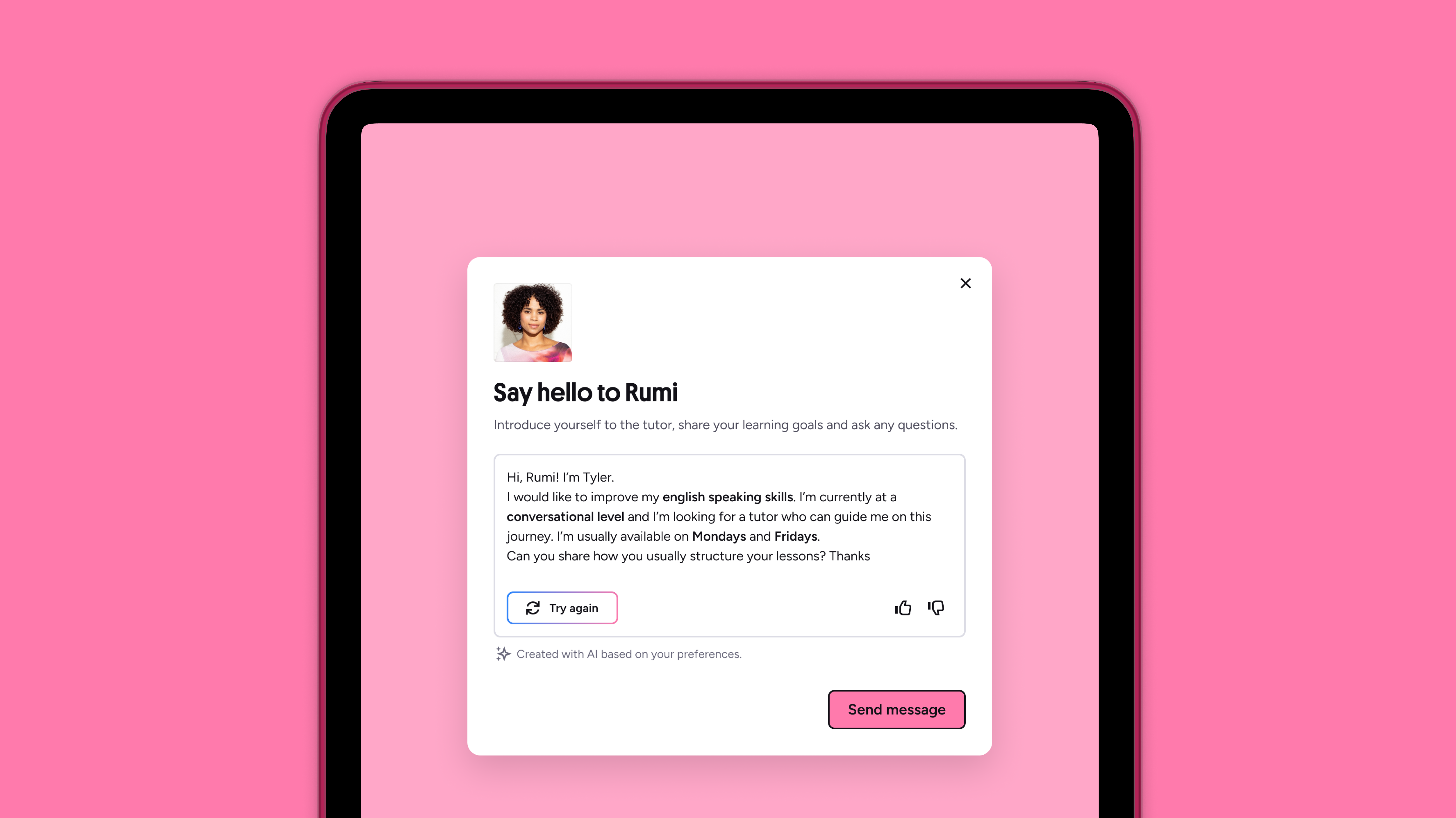
AI First Message Flow
Project 03
Australia MVP
