COMPANY
Preply
Role
Lead Designer
Type
Experience redesign
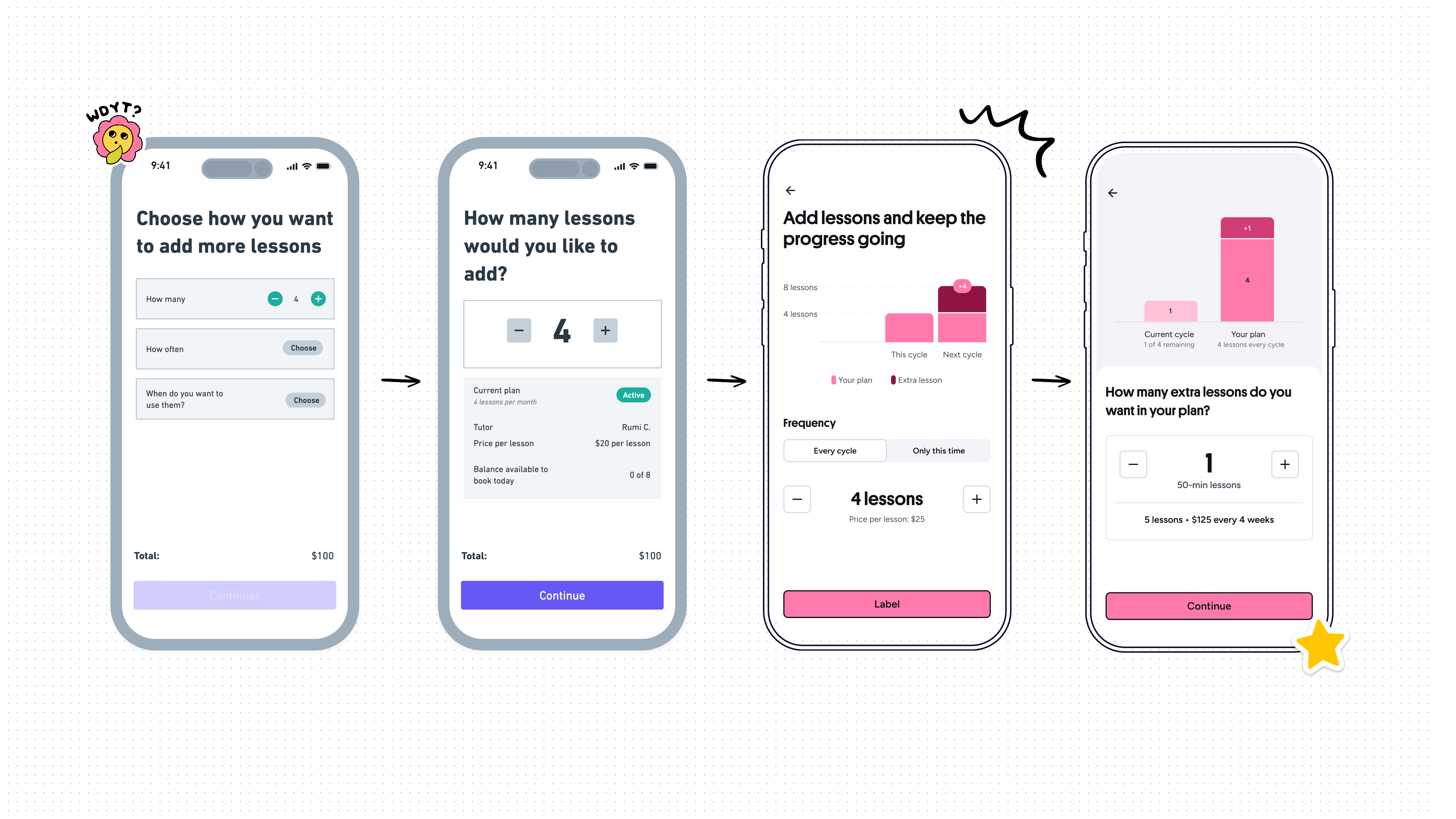
Redesigned the fragmented top up and upgrade experiences into one unified flow that clarifies intent early, reduces confusion, and creates a scalable foundation for future personalization and experimentation.
The problem
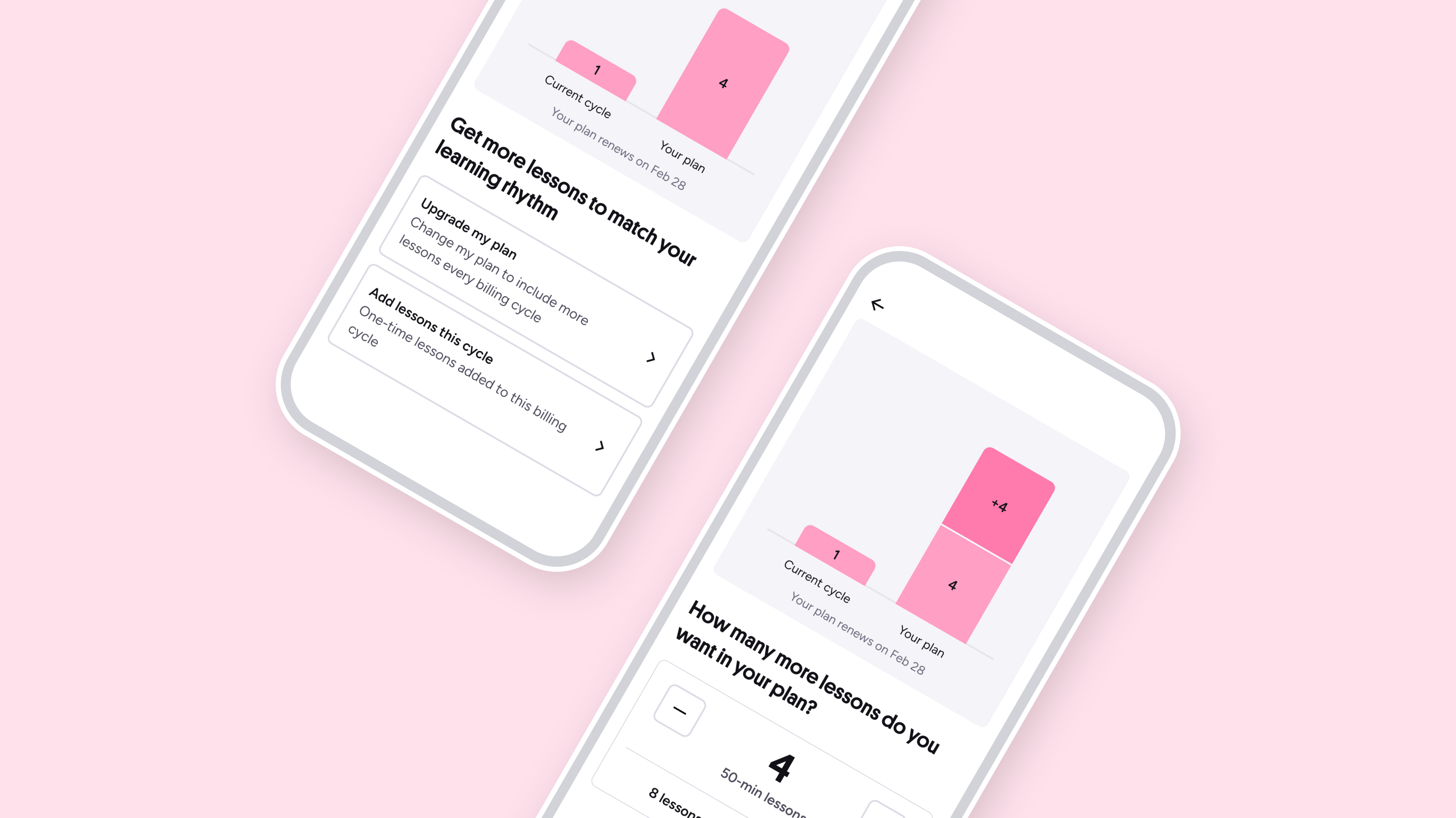
Learners who ran low on lessons could add more in several ways, depending on where they entered the product. These entry points led to different flows, different mental models, and inconsistent expectations around pricing, renewal timing, and lesson availability.
As a result, learners hesitated, dropped off, or felt unsure about whether they were making the right choice for their learning needs.
Key challenges
The central challenge was designing a single, unified experience that simplified decision-making for learners while remaining flexible enough to support different learning needs and business constraints.
The solution needed to balance clarity and guidance without over-optimizing for a single action, and create a flow that could evolve through experimentation rather than locking the product into rigid paths.
My role and responsibilities
I led the end-to-end design of the Unified Lessons Flow, owning problem framing, research synthesis, interaction and visual design, content collaboration, and cross-functional alignment. I worked closely with product, engineering, data, and content partners to deliver a clear, scalable, and experiment-ready solution across mobile and desktop.
The approach
►
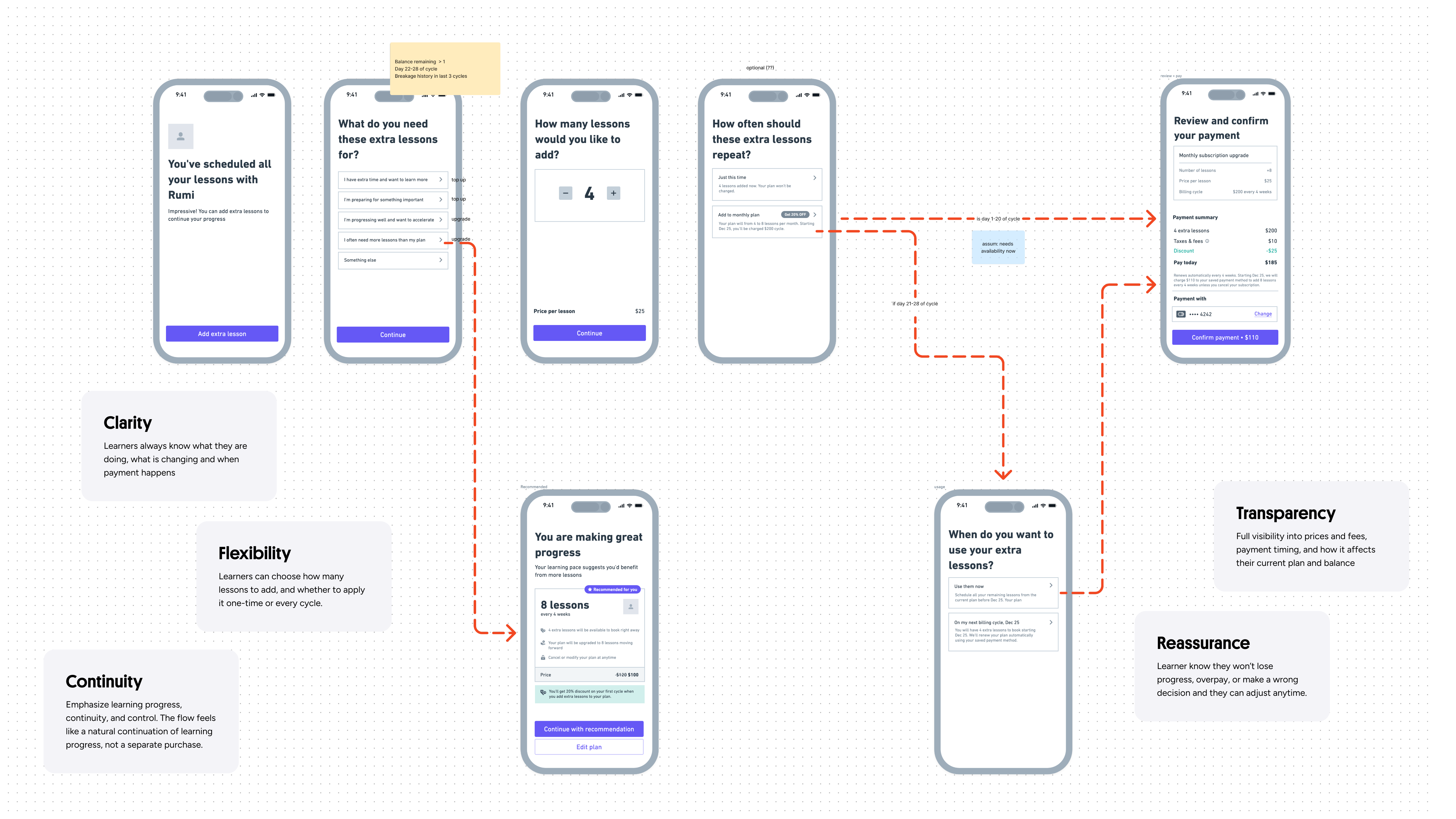
Designing for intent, not entry points: Instead of optimizing individual screens, I reframed the problem around learner intent. Whether someone wanted a one-time boost or a longer-term plan change, the flow guides them through the same journey, adapting based on their choices rather than forcing an upfront decision.
►
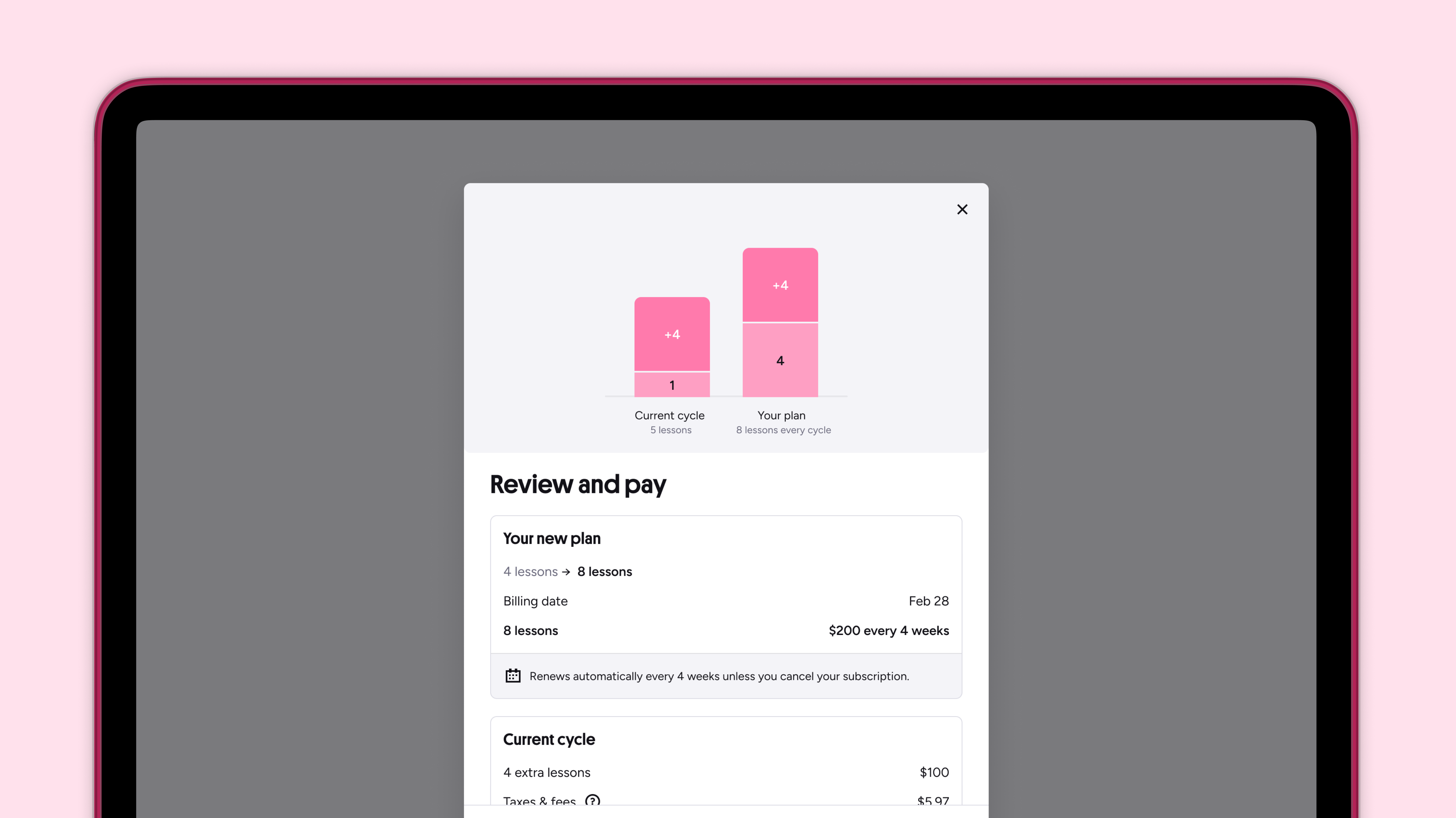
Making progress visible and interactive: I introduced a visual bar-based system that shows learners how their current cycle and plan evolve as they interact with the flow. This made abstract concepts like “adding now” versus “upgrading later” tangible and easier to understand.
►
Progressive decision-making: Rather than asking learners to choose everything upfront, the flow breaks decisions into smaller, contextual steps. Learners first choose a direction, then fine-tune quantities, and finally review the outcome with clear feedback before committing.
►
Content as a first-class design tool: I partnered closely with content design to ensure language reinforced intent and clarity. We defined which content should remain consistent, which should adapt based on user context, and where personalization could add value without increasing complexity.
►
Designing for scale and experimentation: The final flow was built to support multiple states, edge cases, and future experiments. Clear specs, state mapping, and behavior rules ensured engineers could implement confidently while keeping room for iteration.
Goals and success criteria
From a learner perspective, success means understanding what would happen before committing, knowing when lessons would be available, and feeling confident that the choice matched their learning rhythm.
From a product perspective, success means reducing confusion and drop-offs, creating a consistent experience across entry points, and enabling future experimentation without redesigning the flow from scratch.
This experiment is still in development.
Project 01
Unified Add Lesson
Project 02
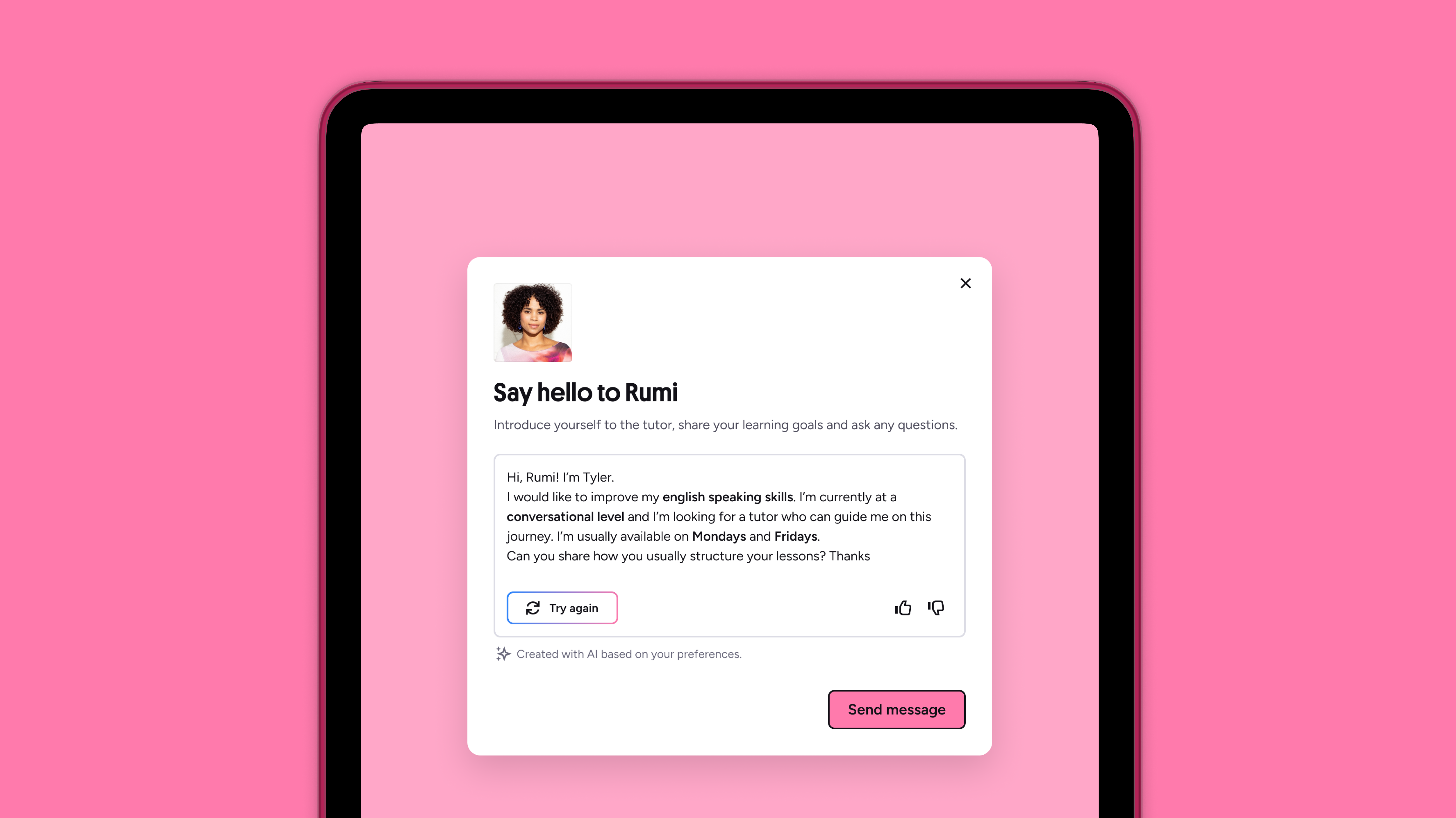
AI First Message Flow
Project 03
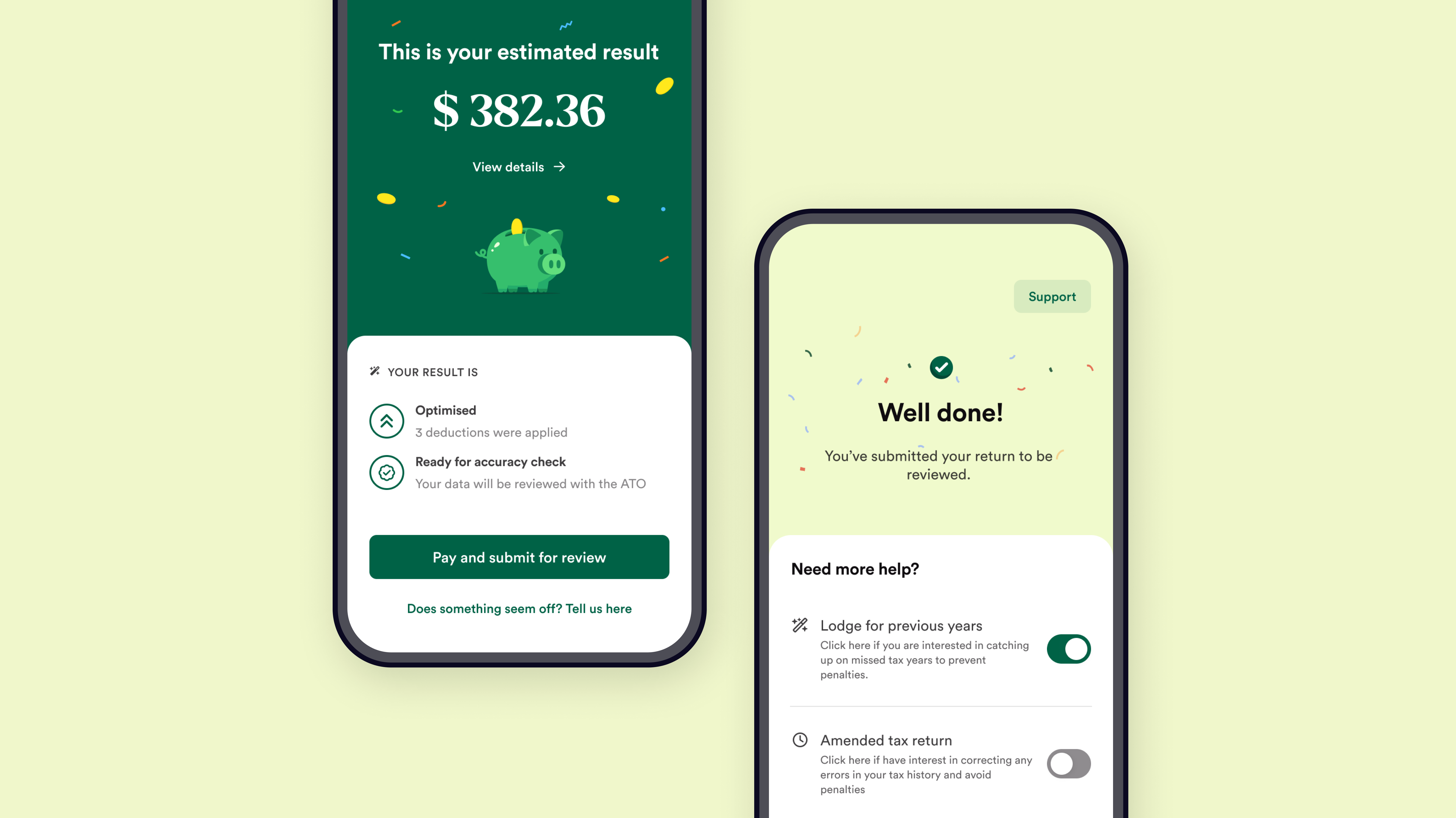
Australia MVP
